
Top Rated Fire Restoration Equipment For Complete Property Recovery
Equip yourself with leading fire restoration tools that support thorough cleaning, deodorizing, and rebuilding efforts.
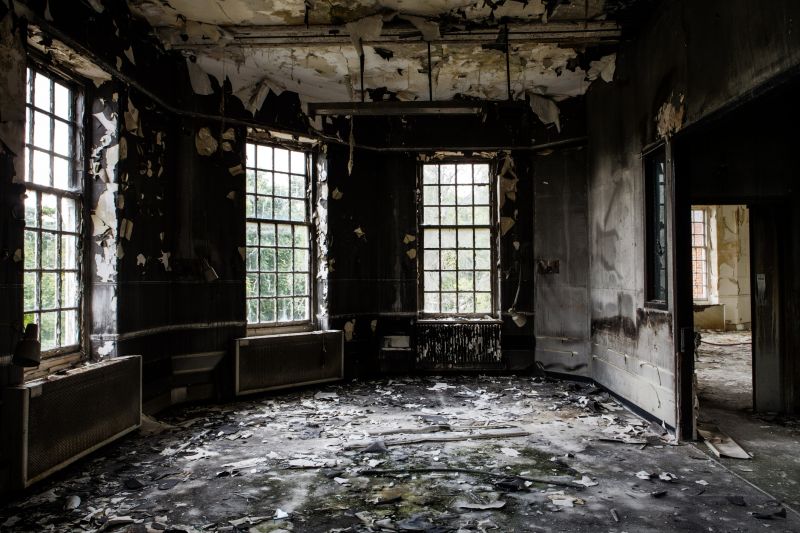 Fire restoration products play a crucial role in the process of recovering and repairing properties affected by fire damage. These products are designed to address a variety of issues such as smoke odor, soot residue, structural damage, and water intrusion from firefighting efforts. Proper selection and use of these materials can help restore a building's safety, functionality, and appearance. In Kernersville, NC, homeowners and restoration professionals rely on a diverse array of products to achieve comprehensive fire damage recovery.
Top Overall Option
Multi-Functional Fire Damage Restoration Kit
A comprehensive kit that includes a variety of cleaning agents, odor neutralizers, sealants, and protective coatings designed for multiple surfaces and damage types. This all-in-one set simplifies the restoration process by providing essential products for cleaning, deodorizing, sealing, and repairing fire-affected areas, making it suitable for both professional restorers and serious DIY enthusiasts.
Types of Products For Fire Restorations
Smoke Odor Neutralizers
Products formulated to eliminate pervasive smoke odors from various surfaces and materials, including sprays, gels, and foggers.
Soot Removal Cleaners
Specialized cleaning agents designed to break down and remove soot residues from walls, ceilings, and other surfaces.
Fire-Resistant Drywall
Durable drywall panels engineered to withstand high temperatures and prevent fire spread.
Sealants and Fireproof Coatings
Protective coatings that can be applied to surfaces to inhibit ignition and contain fire damage.
Water Extraction Equipment
Tools and machines used to remove water from flooded areas caused by firefighting efforts.
Dehumidifiers and Drying Products
Equipment designed to reduce moisture levels and facilitate drying of affected structures.
Air Purification Systems
Devices that filter and clean the air to remove smoke particles and odors, improving indoor air quality.
Fire-Resistant Insulation
Insulation materials that provide thermal resistance and help prevent fire spread within walls and attics.
Structural Reinforcement Materials
Products such as metal braces and fire-resistant beams used to strengthen compromised structures.
Personal Protective Equipment
Gear including masks, gloves, and suits designed to ensure safety during restoration work.
Electrical Repair Supplies
Components and tools necessary for restoring electrical systems damaged by fire.
Fire Damage Assessment Tools
Devices used to evaluate the extent of damage and plan restoration strategies.
Cleaning and Disinfecting Wipes
Pre-moistened wipes for quick cleaning and disinfection of small surfaces and equipment.
Thermal Imaging Cameras
Tools that help detect hidden hotspots and assess structural integrity after a fire.
Fire-Resistant Flooring
Flooring options that resist ignition and can be used in high-risk areas.
Popular Choices
Widely used for immediate odor control and surface deodorization after fire damage.
Complete sets that include brushes, cleaning agents, and protective gear for soot removal.
Commonly selected for rebuilding efforts to enhance fire safety.
Popular for moisture control in fire-damaged structures to prevent mold growth.
Effective for improving indoor air quality by capturing smoke particles and pollutants.
Used to seal cracks and vulnerable areas to prevent fire spread.
Essential for removing water from firefighting efforts to facilitate drying.
Helpful for assessing hidden damage and hotspots within walls and ceilings.
Chosen for rebuilding projects to enhance fire safety.
Commonly used by workers to ensure safety during soot and debris cleanup.
Popular for restoring the integrity of fire-damaged frameworks.
Convenient for quick surface cleaning and initial assessment.
Frequently used for accurate damage evaluation before restoration begins.
Selected for high-risk areas to improve overall fire resilience.
Effective for long-term odor control in affected spaces.
Complete sets that include a variety of cleaning and deodorizing products.
The restoration process often begins with cleaning and deodorizing surfaces affected by smoke and soot. Specialized cleaning agents and odor neutralizers are essential for removing stubborn residues and unpleasant smells. Structural repairs may involve fire-resistant drywall, sealants, and insulation materials that can withstand high temperatures and prevent further damage. Additionally, water extraction equipment and drying products are vital for addressing water damage caused by firefighting efforts, ensuring that mold growth and further deterioration are minimized.
Choosing the right products depends on the extent of the damage, the materials involved, and the specific needs of each restoration project. Professionals often utilize a combination of chemical cleaners, sealants, fire-resistant building materials, and air purification systems to facilitate a thorough and effective restoration. Proper application and adherence to safety standards are important to ensure that the restored property is safe, clean, and ready for occupancy. Whether dealing with minor smoke stains or extensive structural repairs, the right products can make a significant difference in the restoration process.
Key Buying Considerations
- Extent of fire and smoke damage to determine the necessary products.
- Compatibility of cleaning agents with different surfaces and materials.
- Fire resistance ratings of building materials like drywall and insulation.
- Effectiveness of odor neutralizers for persistent smoke smells.
- Water damage mitigation tools and their capacity for large areas.
- Ease of use and application methods for various products.
- Safety features and protective gear for handling hazardous materials.
- Durability and longevity of fire-resistant building materials.
- Environmental conditions such as humidity and temperature that may affect product performance.
- Availability of professional-grade vs. DIY products based on project scope.
- Compatibility with existing structural components and finishes.
- Certification and compliance with safety standards and codes.
- Cost considerations balanced with product quality and effectiveness.
- Availability of customer support and technical assistance.
- Product storage and shelf life, especially for chemical agents.